 Pay with Bizum



Studio
Monitors


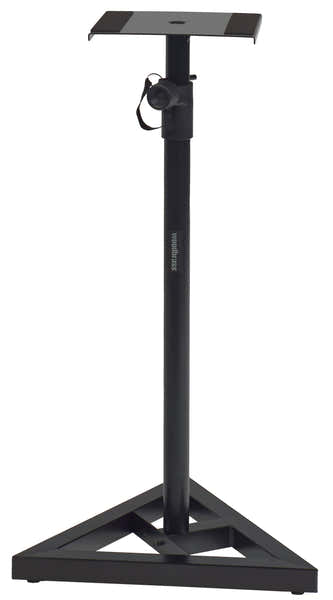
Woodbrass
SS100 Monitor Speaker Stand

Adam Audio
T5V

Adam Audio
T7V
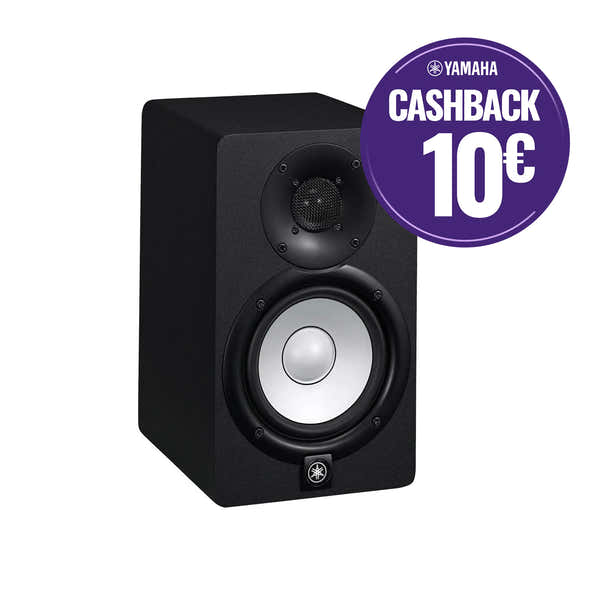
Yamaha
HS5

RTX
SMR Stand

Adam Audio
D3V Black
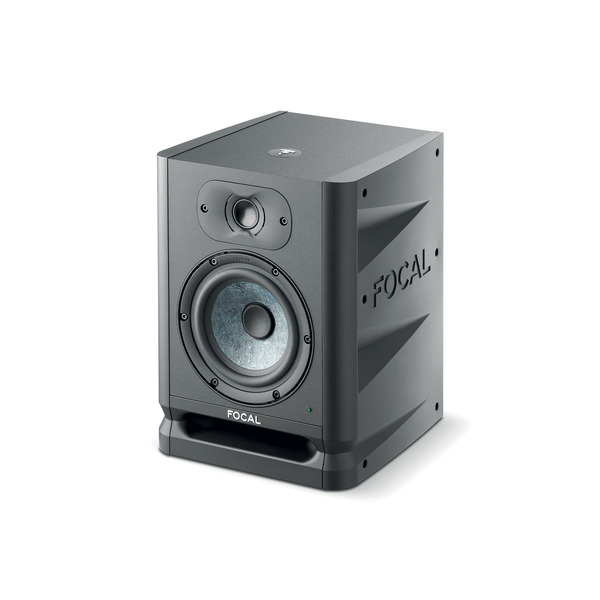
Focal
Alpha Evo 50

Focal
Alpha Evo 65

Mackie
CR3.5

IsoAcoustics
ISO-155

Presonus
Eris 3.5 2nd Gen

Focal
Alpha Evo 80
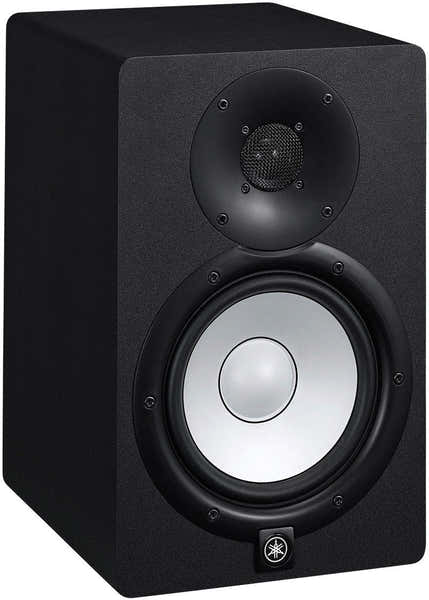
Yamaha
HS7

Neumann
KH 120 II

Adam Audio
A7V

Kali Audio
LP-6 2nd Wave

Ik Multimedia
iLoud Micro Monitor

Adam Audio
T8V

M-Audio
BX4D4 BT

KRK SYSTEMS
Rokit RP5 G5

Pioneer Dj
DM-40D

Gravity
SP 3202

Yamaha
HS8

Pioneer Dj
DM-40D-BT

M-Audio
BX3D3
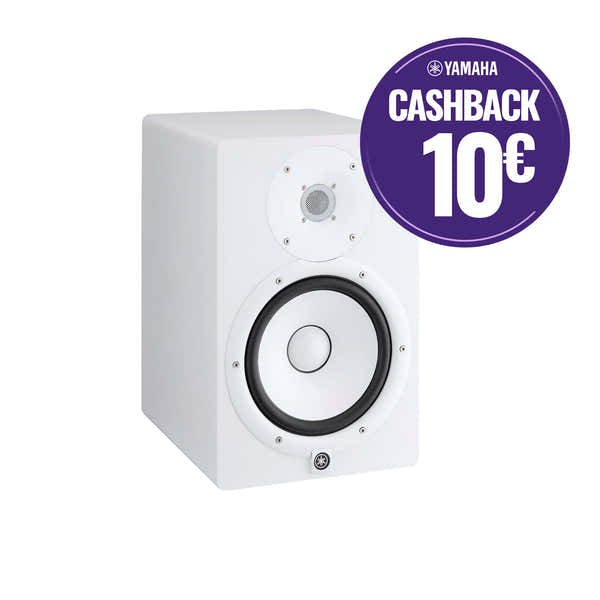
Yamaha
HS5 W

Presonus
Eris 3.5 BT 2nd Gen

Mackie
BIGKNOB

IsoAcoustics
ISO-130

Mackie
CR4.5 BT

Pioneer Dj
DM-50D

Adam Audio
D3V White

Mackie
CR4.5

Adam Audio
T10S

Quiklok
BS/402 Stand

Kali Audio
LP-6 2nd Wave White

Pioneer Dj
DM-50D-BT-W

Pioneer Dj
DM-40D-W

Presonus
Eris 5 BT 2nd Gen

Presonus
Eris 4.5 BT 2nd Gen

Kali Audio
IN-8 V2

Mackie
CR5 BT (Pair)

Presonus
Eris Studio 5

KRK SYSTEMS
Rokit RP7 G5

M-Audio
BX3D4 BT
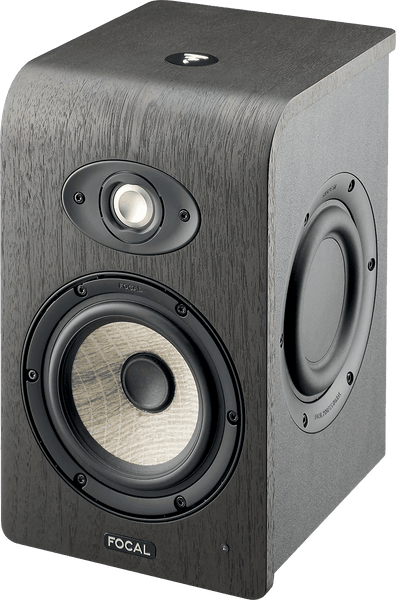
Focal
Shape 50

Yamaha
HS4

Mackie
CR3.5 BT
Which studio monitors should you choose for your home studio?

Nearfield monitors are made for mixing or composing in your bedroom, a metre from the screen. They work a metre away from you, a metre and a half at most. And that metre is measured from your ears, not from the screen.
Almost all our studio monitors are active. No need to buy a separate amp, it's built in. They're also very good for playing films or your albums.
Adam Audio tops our sales, especially its T range. Focal follows with its Alpha Evo range, then Yamaha with its HS range. Behind them come Mackie, Presonus, Kali Audio and KRK. Further up the range, Neumann and its KH range already rank fourth in the department by revenue. Genelec and Dynaudio are there too.
5, 6.5 or 8 inches: what size for your room?

The size in inches is the diameter of the woofer, the speaker that handles the bass. The bigger it is, the lower the monitor goes.
For a first pair in a small bedroom, go for 5-inch monitors. Our best sellers are 5-inch monitors, along with small 3-inch and 4-inch desktop speakers. And if your walls are bare, with no acoustic foam, stick to 5-inch.
Do you make dub or trap? Then go for 6.5-inch monitors. Even 8-inch, if there's room around your desk. Many have a little switch on the back to cut the bass when it gets boomy.
If you're listening from two metres or more in a large room, move up to midfield and farfield monitors. By units sold, it's Focal. By turnover, ATC. We also stock Adam Audio, Dynaudio and Quested.
One monitor or a pair?

Between two 5-inch monitors and a single 8-inch monitor, go for the two. Mixing happens on the left and right, in stereo. With just one monitor, there's no way to tell where to place your guitar.
Watch the price shown. Most of our studio monitors are sold individually. Check the quantity listed in the product details. Does it say 1? Put two in your basket.
Small desktop monitors, on the other hand, are often sold in pairs. Mackie, Presonus, Pioneer DJ, M-Audio and Yamaha make them. Usually, one is active and the other is passive, connected to it. Some models have Bluetooth. Handy for playing a track from your phone.
Should you add a subwoofer to your monitors?
A subwoofer isn't there to boost the bass. It goes lower than your monitors, that's all. For drum'n'bass, with its very deep bass, budget for a subwoofer too. Here, the one from Adam Audio's T series sells the most. Presonus, KRK and Yamaha follow.
Finding the right spot for it in a bedroom takes time. Try it in several places until the bass is even throughout the room.
How do you position and connect your monitors?

Your head and your two monitors form a triangle with three equal sides. Tweeters at ear level, monitors angled towards you. Away from corners, and a little way out from the wall.
Ideally, put them on stands. Woodbrass stands account for nearly six out of ten sales. Then come RTX, Quiklok, K&M and Gravity. If they stay on your desk, put them on IsoAcoustics stands.
A room that rings when you clap your hands needs a few acoustic treatment panels, starting with the side walls. A mirror helps you find the right spot. Sitting in your listening position, slide it along the wall. Where the monitor appears in it, stick the panel. Neumann, Genelec and IK Multimedia have their own calibration systems. You put their mic in your listening position, and the sound is corrected for your room.
If your audio interface only has jack outputs, one stereo jack (TRS) to male XLR cable per monitor is enough.
Adjusting the volume on the back of your monitors is a pain. A monitor controller sits on your desk, with a large knob. Some let you switch between your two sets of monitors, and plug your headphones in at the front. Mackie's Big Knob range leads our sales, ahead of Palmer's Monicon controllers. Covers and wall brackets are among the monitoring accessories. And before you send off your mix, listen to it again on studio headphones.
Buying your studio monitors from Woodbrass
Got a question before you order? +33 2 57 88 00 74 is the number for our advisers. You can reach them Monday to Saturday, until 6 pm Paris time. They start at 9 am on weekdays and 10 am on Saturdays. They also read the chat and emails.
You can send them back to us up to 30 days after receiving them.
If you hear crackling or a tweeter stops producing sound, you can request after-sales support on the website once you've logged into your account. Select the order, add a video of the fault (or a photo), then follow each step online. Depending on the fault, your monitor will be repaired or replaced, otherwise you'll get a refund. Some manufacturers guarantee their monitors for longer; the guarantee period is shown on the product page.
If you're on a tight budget, have a look at B-Stock. A few monitors, a subwoofer and a controller turn up there. Tested individually, covered for six months. As for refurbished gear, everything is checked and covered for three years. Alma lets you pay in monthly instalments, even for Neumann monitors.