 Pay with Bizum



Studio
Headphones


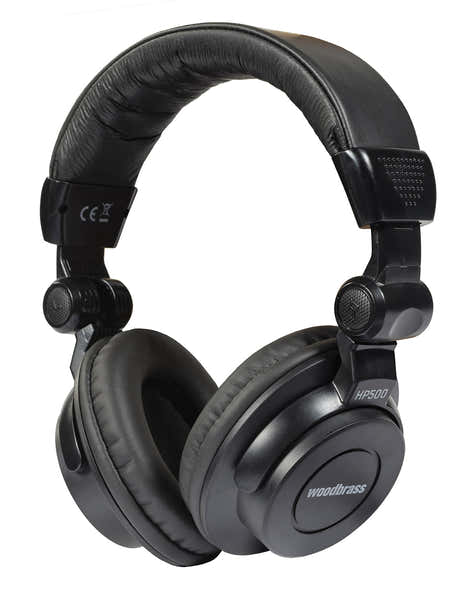
Woodbrass
HP-500

Beyerdynamic
DT-770 Pro 80 Ohms
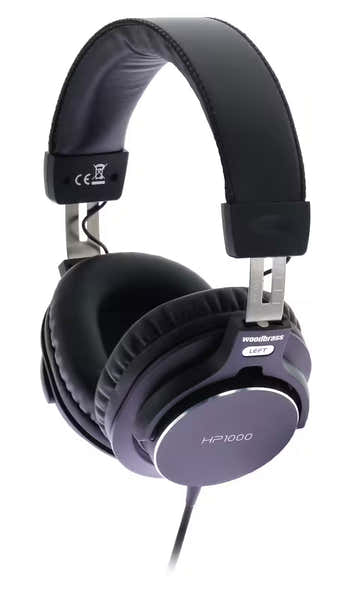
Woodbrass
HP1000

Quiklok
HP-10

Woodbrass
HP2000

Roland
RH-5

Sony
MDR-7506

Beyerdynamic
DT-770 Pro 250 Ohms

Audio Technica
ATH-M50X

Audio Technica
ATH-M20X

Beyerdynamic
DT-770 Pro X

Beyerdynamic
DT-990 Pro 250 Ohms

Shure
SRH440A

Beyerdynamic
DT-700 Pro X

Sennheiser
HD-280 Pro

AKG
K92
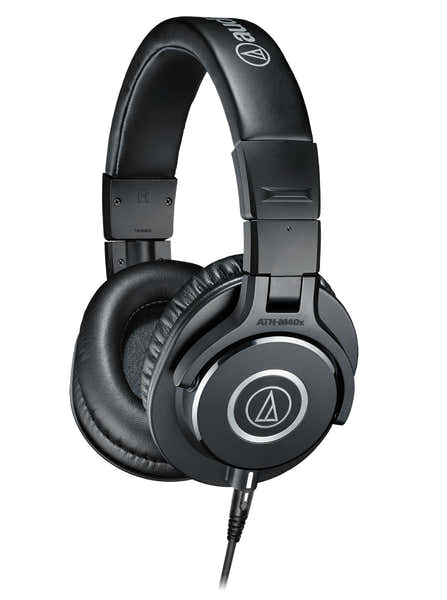
Audio Technica
ATH-M40X

Beyerdynamic
DT-900 Pro X

Woodbrass
HA4-2

Mackie
HM-4
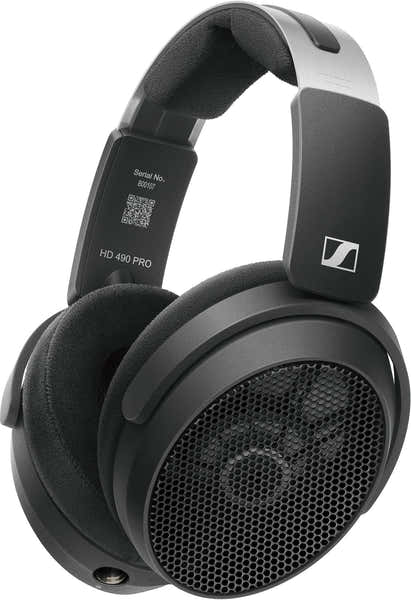
Sennheiser
HD 490 Pro

AKG
K-240 MK2

Beyerdynamic
DT-270 Pro

AKG
K-240 Studio
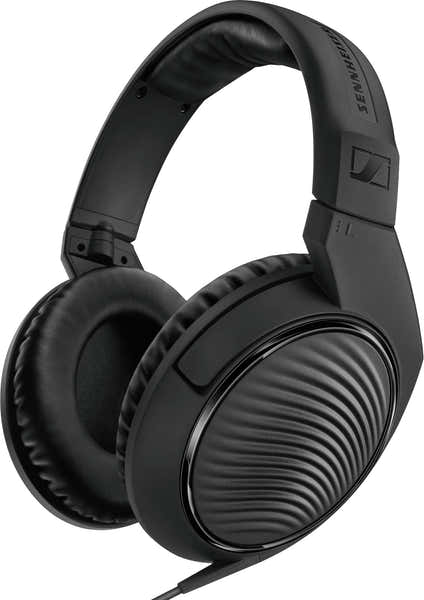
Sennheiser
HD-200 Pro

Beyerdynamic
DT-770 Pro 32 Ohms

Audio Technica
ATH-M30X

Shure
SRH840A

Beyerdynamic
DT-990 Pro 80 Ohms Black

Yamaha
HPH-100B
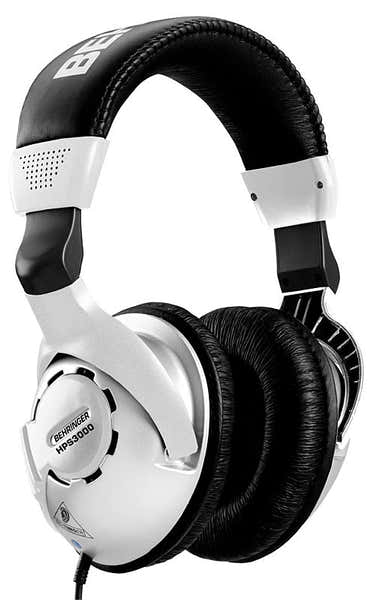
Behringer
HPS3000

Beyerdynamic
DT-990 Pro 80 Ohms

AKG
K52
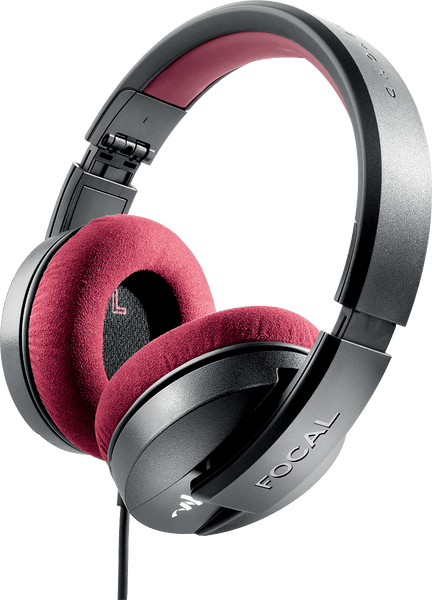
Focal
Listen Pro

Beyerdynamic
DT-990 Pro X

AKG
K-702

Beyerdynamic
DT-770 Pro Black 80 Ohms

Beyerdynamic
DT-990 Pro 250 Ohms Black

Presonus
HD9

Yamaha
HPH-150B

Beyerdynamic
DT-880 Pro 250 Ohms

Roland
RH-200S

Ollo Audio
X1

Yamaha
HPH-50 White

Audio Technica
ATH-R50x

Mackie
MC-100

Audio Technica
ATH-M20X White
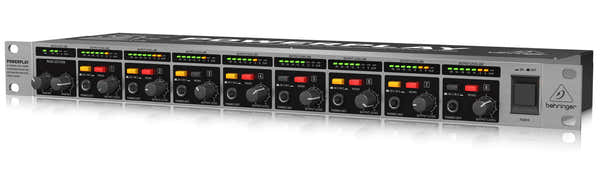
Behringer
HA8000 V2
Closed-back or open-back studio headphones: which should you buy?

For singing into a studio mic, get closed-back headphones. Why not open-back? They leak. The mic picks up the click leaking out of your headphones, and it ends up on your vocal track. Recording an acoustic guitar or a piano with a mic? Same again, closed-back. From Beyerdynamic, go for the DT 770 Pro.
And open-back headphones? Save those for mixing. They’re easier on your ears during a long session. From Beyerdynamic, that means the DT 990 Pro, and from Sennheiser, the HD 600 and HD 650. When recording, they’re for anything coming through a cable, like a synth or a guitar through an amp simulation.
You can mix on closed-back headphones too. The catch? You need to know their sound well. There are also semi-open headphones, halfway between the two, and Woodbrass makes a pair.
Where do you start with your first pair of studio headphones?

A good pair of monitoring headphones stays neutral. Does it sound flat to you? That's normal, especially if you're coming from a gaming headset that boosts the bass. Mix on headphones that flatter the bass, and your track will sound hollow as soon as you listen to it elsewhere.
As for brands, we start with our Woodbrass headphones, then Beyerdynamic, which is pretty much universally liked by home studio users (you'll find the DT 770 Pro and its other models among our Beyerdynamic headphones). Audio-Technica and its ATH-M range, Sennheiser, Roland and AKG follow.
And really do think about comfort. Most of our studio headphones are over-ear, with ear pads that sit around your ears. An hour of singing with a headband that clamps too tightly? All you can think about is taking them off. And is the cable detachable? Check the product specs. When it gives out, you just replace the cable. The adaptor for the large 6.35 mm (1/4") jack is often included.
32, 80 or 250 ohms: which impedance should you choose?

Some headphones come in several impedance versions. Beyerdynamic offers its DT 770 Pro in 32, 80 or 250 ohms. The higher the impedance, the more power the headphones need. And on a phone? A 250-ohm pair sounds quiet, even at full volume.
What does Beyerdynamic recommend? 32 ohms for use on the go, 80 for recording in the studio, 250 ohms for mixing. Can your audio interface handle a 250-ohm pair? If its headphone output has enough juice, yes. Otherwise, add a dedicated headphone amp. Still can't decide? Go for 80 ohms, it works with almost any headphone output.
Mixing on headphones, does it work?

Yes, and in a flat in the evening, it's hard to do it any other way. Small flaws, an editing click, a breath, are immediately audible. The catch? The stereo image seems wider than it really is. Check your panning and reverbs on speakers before exporting.
For hours of mixing, which headphones? An open-back pair from Beyerdynamic, Sennheiser, Focal, Neumann or Audeze. Some go up to 250 or 300 ohms, or even higher. Those need a headphone amp, from SPL or Rupert Neve Designs, for example.
How do you connect several pairs of headphones to record together?
Only one headphone socket on your interface, and your bassist is on the way? A Y-adaptor will do the trick, but you'll have the same volume in both pairs of headphones. For everyone to adjust their own volume, switch to a multi-channel headphone amp.
Our four-channel Woodbrass amp does the job, as do those from Mackie and Behringer. Never connect your headphones to a line output, let alone the speaker output on your guitar amp. The sound would be quiet, and you risk frying your gear.
Does the drummer want more click, and the singer more vocals? With Behringer's Powerplay or Allen & Heath's ME systems, each musician can set up their own monitor mix.
Your cable won't reach the mic stand? Add an extension lead. Our headphone accessories include several from Cordial, with jack and mini-jack connectors, from 3 to 10 metres long.
Buying your studio headphones from Woodbrass
Our studio headphones are also on display in-store, at the Woodbrass Store for keyboards and home studio gear. You’ll find it at 184 avenue Jean Jaurès in Paris, not far from Parc de la Villette. Doors open at 10:30am and close at 7pm. Closed on Sundays and Mondays.
For advice over the phone, call +33 2 57 88 00 74. From Monday to Saturday, someone’s there to answer from 9am, or 10am on Saturdays, until 6pm, Paris time. They also reply via chat or email. Give them the name of your interface and they’ll tell you which impedance to choose.
No sound in one ear, or a crackling noise? Send a request to after-sales support through the order in your woodbrass.com account. Attach a video of the fault, or at least a photo. You can then track progress on the website. At the end of the process, we’ll repair or replace your headphones, or refund them if neither is possible. Where the manufacturer offers a longer warranty, the duration is listed on the product page.
Some headphones and amps in this section are available as B-Stock, tested and covered for six months. Less often, you’ll find refurbished headphones there, checked before resale and guaranteed for three years. For a high-end open-back pair, you can pay in instalments with Alma.